Trevor Paglen: The Aesthetics of Evidence
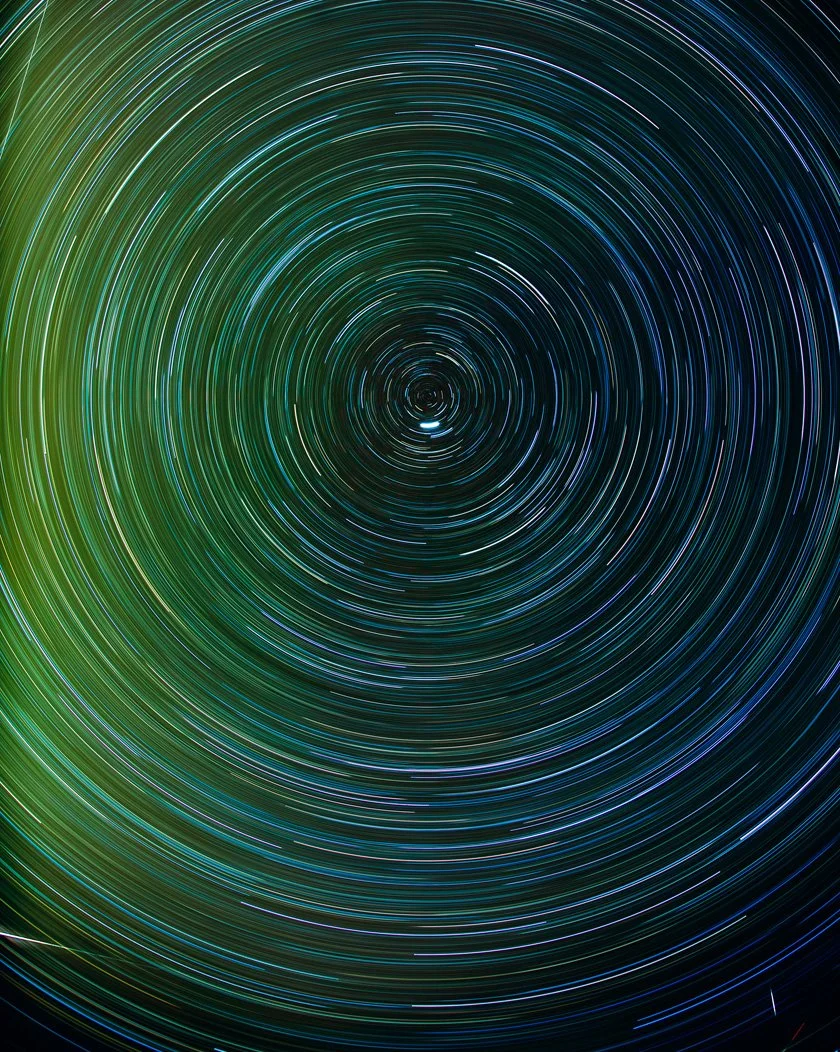
One of the defining characteristics of the digital age is its presumed invisibility. We speak of "the cloud" as data drifting in the ether, untethered to the earth. This is a comforting delusion, a form of collective blindness that allows us to ignore the physical and geopolitical weight of our connectivity. We prefer the magic of the connection over the reality of the cables, the power plants, and the surveillance apparatus. The artist and geographer Trevor Paglen has spent his career dismantling this illusion, operating on the premise that one cannot critically engage with a system one cannot see. Paglen subverts the expectations of digital art by employing the tools of high-end photography and astronomy to visualize the physical infrastructure of the digital world. In works like The Other Night Sky, Paglen uses long-exposure astrophotography to track the movements of classified spy satellites. To the naked eye, these are invisible; to Paglen’s lens, they appear as scratches of light scarring the heavens. Similarly, in his series on undersea internet cables, he dives to the bottom of the ocean to photograph the fiber-optic lines that carry the world’s information. By camouflaging the infrastructure of lethal surveillance within the abstract aesthetics of the night sky or the ocean floor, Paglen visualizes the central paradox of the Digital Sublime: a terror so vast and integrated into the firmament that it is perceived only as beauty.
Paglen’s recent inquiries suggest that the "invisibility" of the digital world has mutated. The focus has shifted from concealed hardware—cables and data centers in the desert—to concealed logic. As his practice has evolved from forensic geography to forensic epistemology, Paglen has turned his gaze toward "machine vision," exploring how algorithms interpret, categorize, and police the visual world. In series such as Invisible Images, he exposes the images made by machines for other machines: the ghostly, high-contrast training libraries used to teach AI how to recognize a human face, a tank, or a protestor. This work reveals that the majority of the world’s images are now created and consumed without ever being seen by a human eye. Paglen argues that this "invisible visual culture" functions as an active mechanism of control. When a machine "sees," it adjudicates. It converts the fluidity of human life into hard data points, enforcing a taxonomy that is often reductive, biased, and politically charged.
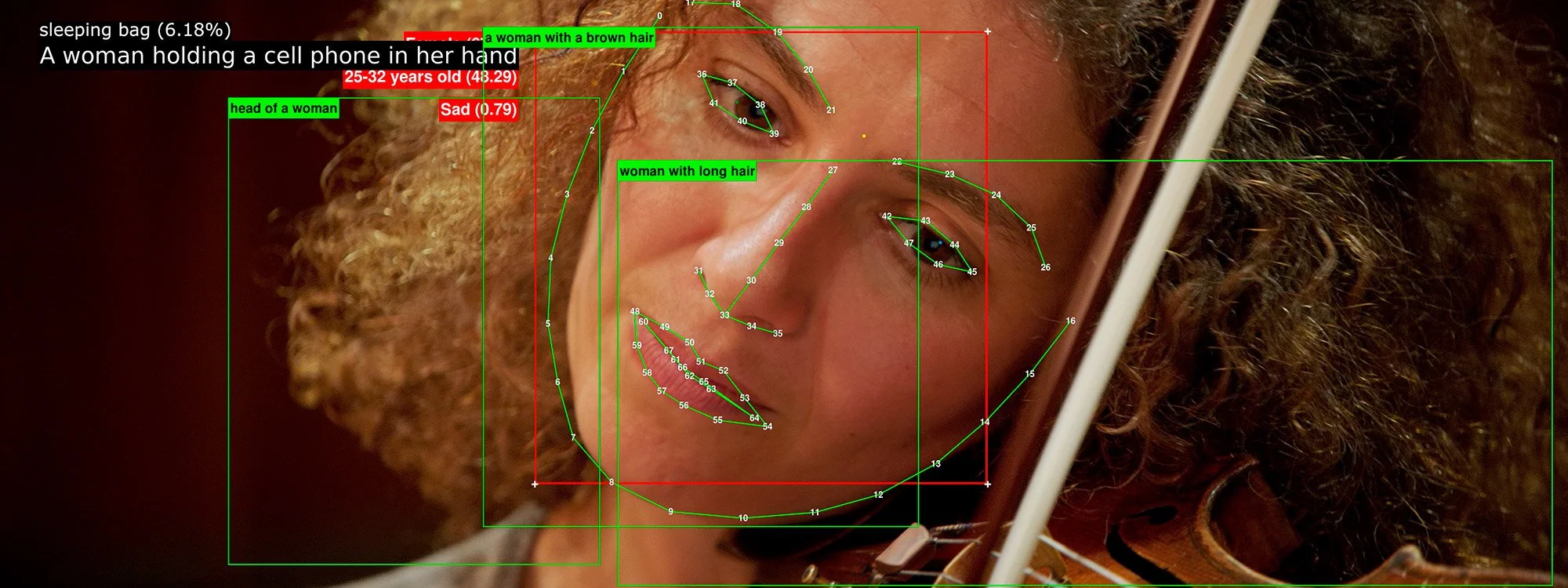
This shift is most aggressively articulated in his projects ImageNet Roulette and From 'Apple' to 'Anomaly', which interrogate the training sets that underpin modern AI. By excavating the ImageNet database—the "standard" library for object recognition—Paglen revealed the deep-seated prejudices encoded in the system’s architecture. He demonstrated that the act of labeling an image is an act of power. When the AI categorized a person as a "debtor," a "bad person," or a "loser" based on their biometric data, it exposed the fallacy of algorithmic neutrality. These works strip away the veneer of objective technology to show that our digital systems essentially function as automated phrenology, inheriting the racism, misogyny, and classism of their human creators. Here, Paglen’s forensic aesthetic moves beyond the landscape and into the ideology of the code itself, forcing the viewer to confront the reality that the "cloud" actively judges the data it stores.
In his most recent pieces, such as Bloom and Adversarially Evolved Hallucinations, Paglen closes the loop between the seduction of beauty and the violence of the algorithm. These images, often depicting flowers or hallucinatory landscapes, are generated by AI systems that have been asked to "dream" based on their training data. On the surface, they possess the lush, painterly quality of a Dutch still life, yet their existence is entirely synthetic—a mathematical probability calculated by a neural network. This creates a disquieting friction: the viewer is seduced by the aesthetic pleasure of the image while intellectually aware that it is a byproduct of the same surveillance technologies used for targeting and automated policing. Paglen uses this tension to implicate the viewer. Just as his photos of spy satellites turned the weapons of the state into objects of awe, his AI-generated works turn the instruments of algorithmic control into objects of desire. He forces us to acknowledge that the digital age is defined not by the freedom of the ether, but by a rigid, unseen architecture that maps both the physical earth and the human face with the same cold, extractive logic.
