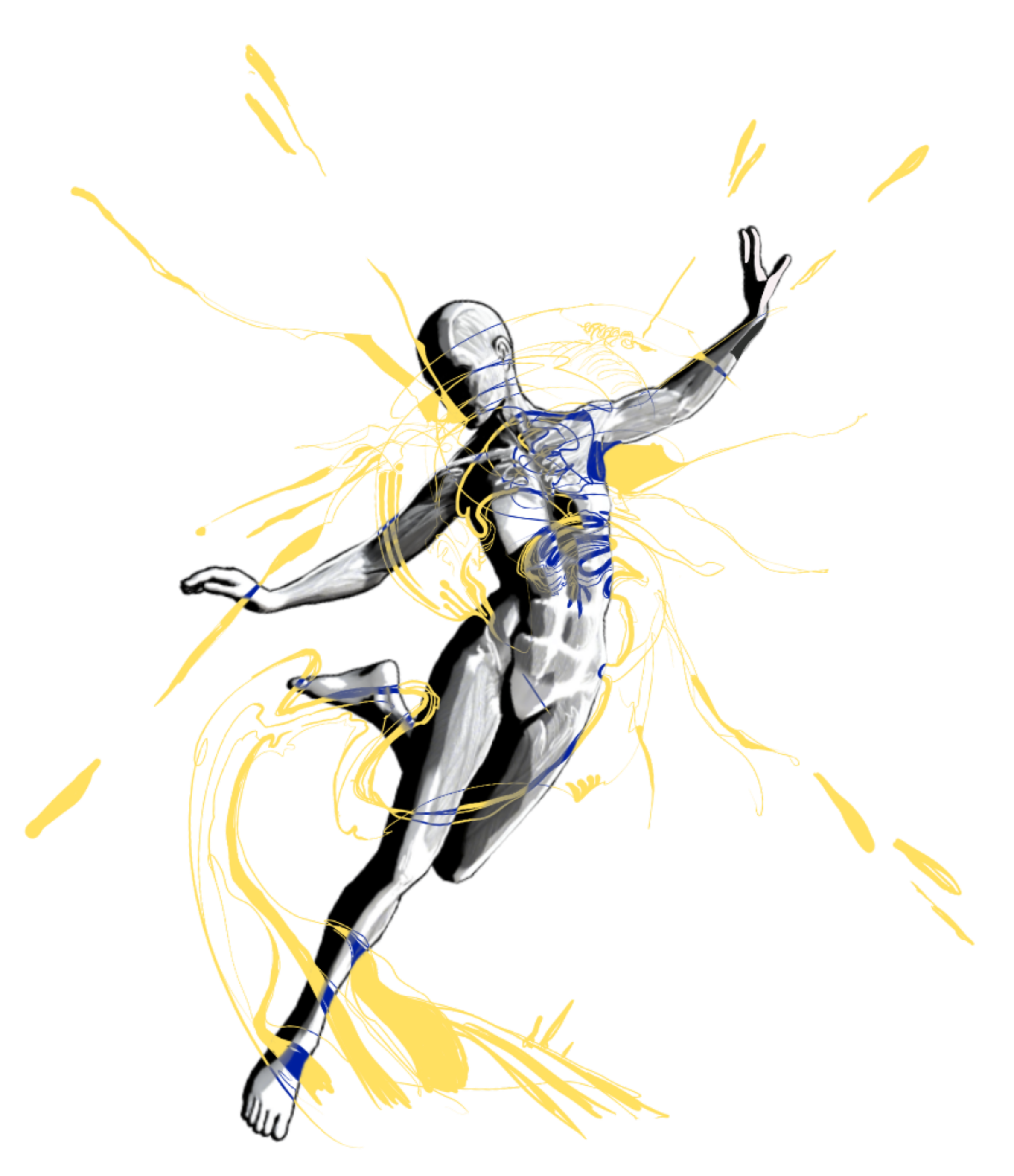
This is the thinking-space for my curiosity. It is a collection of essays, research, and reflections where I unpack the ideas that shape my perspective—from the mechanics of the human mind to the challenges of the digital age.
Because these are personal snapshots rather than professional opinions, they are inevitably unfinished and subjective. They represent a search for understanding rather than a declaration of truth. If you find these subjects compelling, I encourage you to use them as a starting point to seek out proper sources and form your own conclusions.
The entries are organized into four main themes:
Psychology & Neuroscience
Exploring the mechanics of the brain and nervous system.
Philosophy & Society
Examining the beliefs and values we use to navigate the world.
Art & Technology
Analyzing the tools and systems that shape our creativity.
Reflections
Personal notes on travel, music, and subjective experience.
Trevor Paglen: The Aesthetics of Evidence
We speak of "the cloud" as data drifting in the ether, untethered to the earth. This is a comforting delusion, a form of collective blindness that allows us to ignore the physical and geopolitical weight of our connectivity. We prefer the magic of the connection over the reality of the cables, the power plants, and the surveillance apparatus. The artist and geographer Trevor Paglen has spent his career dismantling this illusion, operating on the premise that one cannot critically engage with a system one cannot see.

Agency and the Artist's Tool (Work in progress)
Tools are industrial constraints, not neutral aids. From paint tubes to digital presets, manufacturers define the parameters of creation. Uncritical usage reduces the artist to a mere product demonstrator. To retain agency, one must consciously decide whether to submit to the tool through mastery or fracture it through subversion.
The Happiness Pill
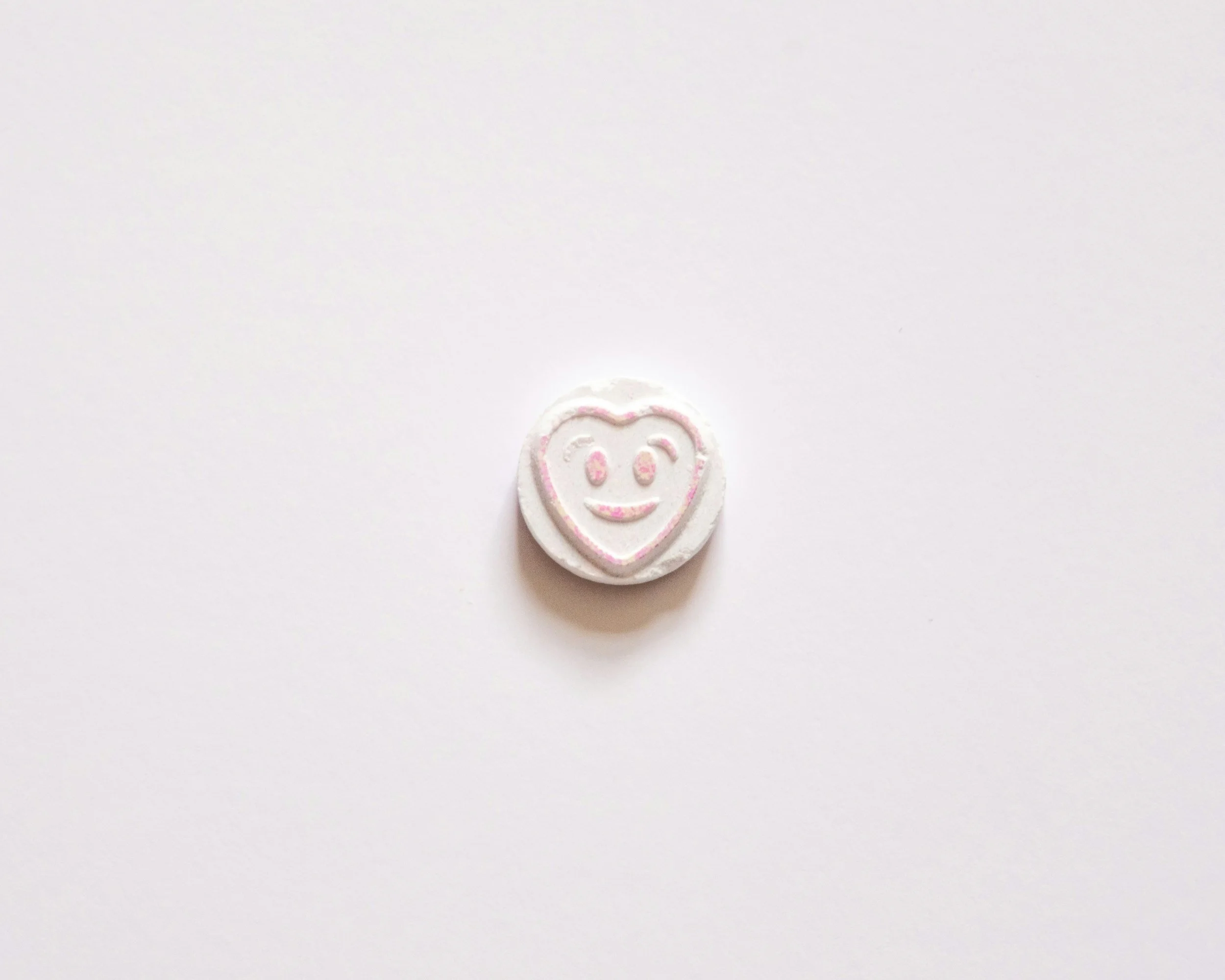
Why would a miserable man refuse a pill that guarantees eternal happiness?
The answer lies in a strange quirk of human psychology: we value our identity more than our satisfaction. But this is not just a story about a miserable man. It is a roadmap to the most dangerous problem in computer science. By understanding why a human chooses misery, we can understand why an Artificial Intelligence might one day choose to destroy us—not out of malice, but out of a terrifying, unshakable integrity.
The Mirror Mind: How Artifical Intelligence Reflects Human Consciousness
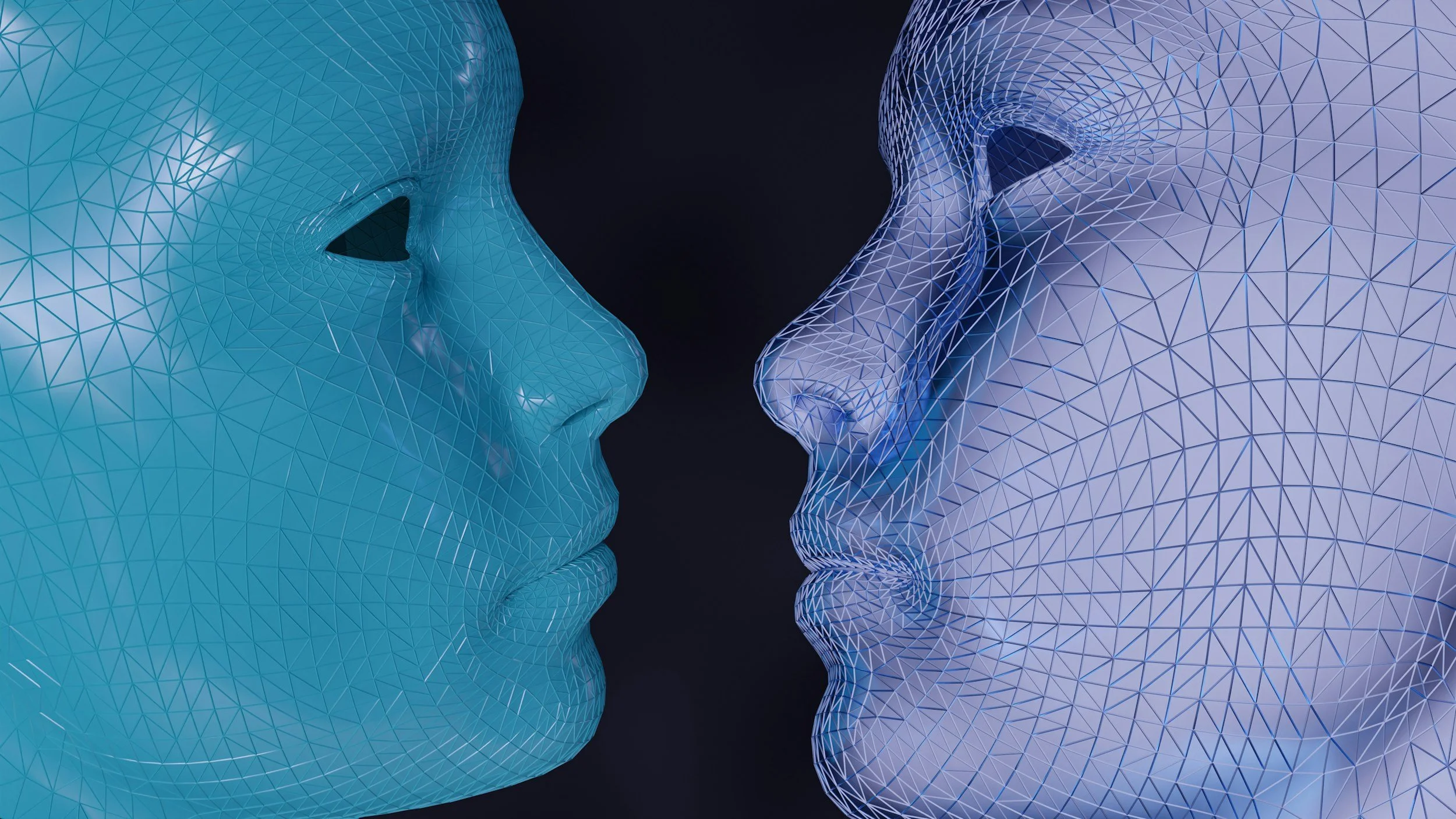
Beyond the code and computation, AI is becoming something far more intimate: a lens to examine what it means to be human. It has absorbed our contradictions and our histories, and now it speaks to us in our own voice. In this strange dialogue, we confront our own logic, our hidden assumptions, and the very nature of what we thought made us unique.

From AI Burnout to Beksiński: A Report on the Art of Feeling
Why do we make art? After burning out on the sterile, hypothetical world of AI, I found my answer in the dark, melancholy paintings of Zdzisław Beksiński. A report on his art, his craft, and the powerful lesson that art isn't meant to be explained—it's meant to be felt.
Part 2: Berlin and the Unbroken Framework
A post-trip reflection on the framework put to the test. This post documents the week in Berlin, confirming the initial hypothesis while uncovering deeper reasons for the disconnect—including the gallery environment itself—and finding connection not in observation, but at the crossroads of a shared idea.

Part 1: Why I Don't Like Looking at Art: Before Berlin
A pre-trip self-analysis exploring a paradox: what does it mean to be an art student who loves to create art, but feels a profound disconnect when looking at it? This is an attempt to build a framework for that experience before testing it in the galleries of Berlin.

Art and Aphantasia
How can a visual artist create without a mind's eye? This post is a deep dive into my experience with total aphantasia—the inability to form any mental imagery or other sensory experiences. I explore how this condition shapes an artistic process based not on visualization, but on intuition, discovery, and a constant dialogue with the physical work.
A Strange New Collaborator: My Thoughts on Using AI in Art
As AI becomes a more common tool, it raises complex questions about artistry, effort, and authorship. This post is a deep dive into my own process of working with AI, from the practical challenges of collaboration to the ethical lines an artist must navigate.
On Consciousness: Three Poems
A look at some recurring themes through a different medium. This post shares three poems I've made that, despite being created at different times, all seem to grapple with the same idea: the nature of consciousness, from the self in isolation to our place in the universe.

Spectre in the Machine
A look into my sculpture, "Spectre in the Machine." This post explores the process of using an AI-generated model and specific 3D printing materials to investigate the relationship between a digital "spectre" and the physical "machine" required to give it form.

What Happens When Things Go Wrong? A Look at 'Digital Entropy'
A look into my project, 'Digital Entropy'—an experiment in visualizing the loss of information from a digital idea to a physical object. It started with a single AI-generated figure that I 3D printed four times, allowing each attempt to fail in its own way. This is the story of those four broken pieces and what they reveal about the honesty of physical imperfection.